
Good News as a Public Invitation
The Best Christmas Pageant EverThis flow traces how Gladys’s shouted announcement moves from a rehearsal line to the final message that the narrator imagines carrying beyond the church.
increasing Bearing strength in each event
 decreasing
Bearing strength in each eventdecreasingThe Angel’s Message Explained

A Role Defined by News
The Announcement Practiced
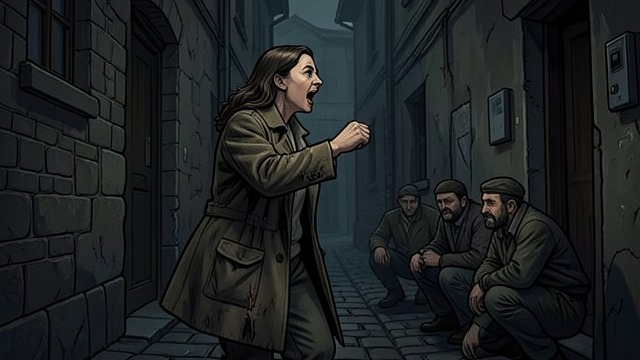
Gladys Finds Her Voice
A Loud Delivery
Gladys shouts the line to the shepherds, giving it the force of an urgent declaration. Her manner is not gentle, but it ensures that no one can miss the news.
Meaning Through Intensity
The delivery turns a familiar phrase into something immediate. The announcement sounds less like a recitation and more like a message that matters now.
A Message for the Mother
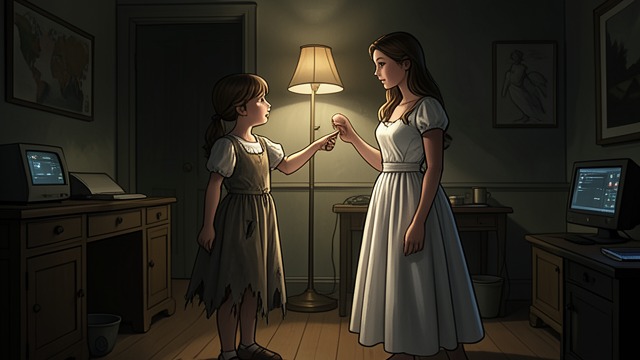
The Phrase Is Misunderstood Personally
Imogene’s Objection
When Gladys addresses the shepherds, Imogene protests that she is the one who has had the baby. The exchange reveals how directly she inhabits Mary’s role.
The Meaning Widened
The director explains that the child belongs to everyone. A rehearsal correction turns the line into a statement of shared significance rather than private possession.
The Angel Reaches the Audience
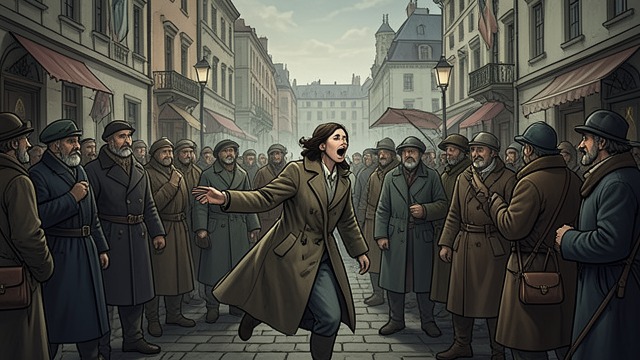
The News Is Shouted
A Forceful Entrance
Gladys pushes past the choir and calls out that a child has been born. The shepherds tremble, partly because of her, while the audience receives the announcement with its full energy.
The Pageant’s Central Claim
The line briefly cuts through the disorder and gives the scene its purpose. The messenger’s roughness makes the good news sound impossible to ignore.
The Message Outside the Church

A Call into the Night
The Narrator Remembers Gladys
In the cold, clear night, the narrator imagines the angel shouting to everyone, not only the shepherds. The line becomes the final sound carried out of the church.
An Open-Ended Invitation
The good news belongs beyond the pageant’s cast and congregation. Gladys’s voice gives the story an inclusive ending rather than a polished curtain call.
At the casting meeting
During a later rehearsal
During the final rehearsal
During Gladys’s entrance on pageant night
As the narrator leaves the church after the pageant
